

When Stretching Helps and When It Might Cause More Harm

Stretching is often seen as a simple way to improve flexibility and prevent injury. Many people include it in their daily routines, believing it will keep muscles loose and joints healthy. But stretching is not always beneficial. In some cases, it can cause more harm than good. Understanding when stretching helps and when it might backfire can improve your approach to movement and protect your body.
The Benefits of Stretching
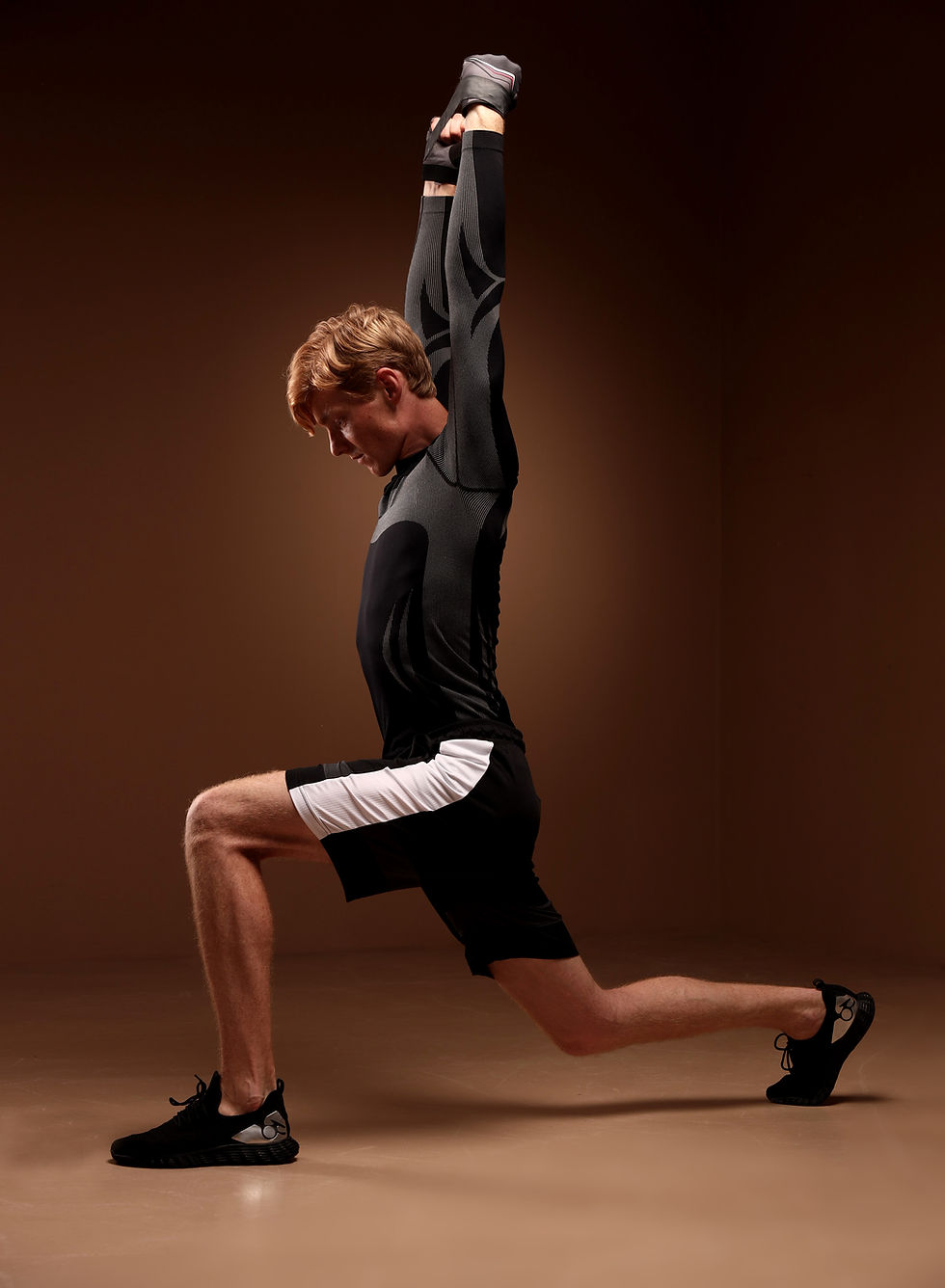
Stretching improves flexibility by allowing muscles and joints to move through a fuller range of motion. This increased mobility can make everyday activities easier, such as bending down, reaching for objects, or walking. As we age, maintaining joint mobility becomes crucial to preserving independence and reducing discomfort.
People who spend long hours sitting or working at desks often develop stiffness in certain muscle groups. Regularly stretching muscles like the hip floxosrs, Quads, calves, lower back, and shoulders can counteract this stiffness. This helps prevent muscles from shortening and losing their natural length, which can lead to discomfort and reduced movement.
Gentle stretching, when done correctly, is generally safe. It should be performed after warming up, without bouncing or forcing the stretch to the point of pain. This approach supports long-term musculoskeletal health by maintaining joint range of motion and muscle flexibility.
Practical Examples of Beneficial Stretching
Desk workers can benefit from hip flexor and shoulder stretches to relieve tightness caused by prolonged sitting.
Older adults may use gentle stretching routines to maintain joint mobility and reduce stiffness.
Athletes often include dynamic stretching before workouts to prepare muscles for activity.
When Stretching Might Cause Harm
Feeling tight does not always mean a muscle needs stretching. Sometimes, tightness is a protective response. Muscles may become stiff to stabilize a joint, protect a weak area, or compensate for nerve or movement problems. Stretching in these cases can override the body’s natural defense, potentially causing injury or worsening pain.
Research shows that static stretching, especially when done alone, does not reliably reduce injury risk. Studies have found no significant decrease in sprains, muscle strains, or overuse injuries from static stretching before exercise. In fact, static stretching can temporarily weaken muscles, reducing strength and power for a short time after the stretch.
Why Stretching Can Backfire
Protective tightness: Muscles may tighten to protect joints or compensate for weakness. Stretching these muscles can destabilize the area.
Temporary muscle weakness: Static stretching before activity can reduce muscle strength and performance.
Ignoring underlying issues: Stretching tight muscles without addressing the root cause, such as poor posture or muscle imbalances, may worsen problems.
How to Stretch Safely and Effectively
To get the benefits of stretching without the risks, consider these guidelines:
Warm up first: Stretch after light aerobic activity to increase blood flow and prepare muscles.
Avoid bouncing: Use slow, steady movements to prevent muscle strain.
Listen to your body: Stretch to a point of mild tension, not pain.
Focus on problem areas: Target muscles that feel stiff due to inactivity or posture.
Combine with other exercises: Strengthening weak muscles and improving posture can reduce the need for excessive stretching.
When to Avoid Stretching
If a muscle feels tight due to injury or joint instability, avoid stretching until cleared by a healthcare professional.
Do not stretch muscles that feel weak or unstable without guidance.
Avoid static stretching immediately before activities requiring maximum strength or power.
Alternatives to Stretching for Mobility and Pain Relief
Sometimes, other approaches work better than stretching:
Strength training: Building strength in weak muscles can improve joint stability and reduce protective tightness.
Movement therapy: Muscle energy techniques is the therapy or self based technique where invidual or therapist place muscle at a comfortable stretch follow by light contraction, where muscle against resistance for a few seconds. After the contraction, the muscle naturally relaxes and allows a deeper, safer stretch or improved joint movement.
Foam rolling: Self-myofascial release can reduce muscle stiffness without overstretching.
Posture correction: Adjusting daily habits and ergonomics can relieve chronic tightness.
Mine thoughts:
Stretching can improve flexibility, ease daily movements, and support joint health when done properly. It is especially helpful for people with sedentary lifestyles or those who spend long hours in static postures. However, tightness does not always mean a muscle needs stretching. Sometimes, it is a protective mechanism that should not be overridden.
Mine philosophy” — combining regular assessment via manual therpy such as massage, awareness of “tight vs weak,” and periodic release — is very aligned with modern, science-informed practice.

Comments