

What Really Causes a Hangover after drinking Alcohol

There is a theory that our civilization may have arisen thanks to alcohol. According to this idea, the first farmers didn’t begin cultivating wheat primarily to make bread, but rather to secure a stable source of alcohol.
Whether this theory is actually true remains uncertain. What is certain, however, is that alcohol is the second most widely used psychoactive substance in the world, right after caffeine. And if you overdo it, the result in a hangover.

How Alcohol Is Processed in the Body
When you drink an alcoholic beverage, ethanol begins to enter your bloodstream through the mouth and digestive tract, mainly via the small intestine. From there, it is transported by the blood to the liver.
In the liver, ethanol is first converted by the enzyme alcohol dehydrogenase into acetaldehyde—a highly toxic and carcinogenic substance. In a second step, acetaldehyde is broken down by aldehyde dehydrogenase, with the help of the antioxidant glutathione, into acetate, which is non-toxic. The body can then use acetate to produce energy or store it as fat.
The problem is that the liver has a limited capacity to process alcohol. Once that capacity is exceeded, unprocessed ethanol continues circulating through the bloodstream and spreads throughout the body.d processing capacity. When that limit is exceeded, ethanol and acetaldehyde begin circulating throughout the body.

Alcohol’s Effects on the Brain
When ethanol reaches the brain, it causes changes in mood, coordination, and cognitive function—what we commonly call intoxication.
This happens because alcohol increases levels of GABA, a neurotransmitter that inhibits communication between neurons and has a calming effect on the nervous system. At the same time, alcohol suppresses glutamate, the brain’s primary excitatory neurotransmitter and a key source of neural “fuel.”
As a result, neurons communicate less, which produces feelings of relaxation. Alcohol also boosts dopamine and serotonin, neurotransmitters associated with pleasure, reward, and well-being. This combination explains why alcohol can initially feel so enjoyable.
If drinking stopped at this stage, waking up the next morning would likely be relatively painless.

When Things Go Too Far
Unfortunately, this is often where moderation ends.
As alcohol intake continues, the liver gradually depletes its stores of glutathione. Once glutathione is exhausted, acetaldehyde can no longer be efficiently converted into acetate and begins to accumulate in the body. This buildup is one of the main reasons hangovers feel so awful—and why headaches can be so intense.
Another major factor is dehydration. Alcohol suppresses antidiuretic hormone (ADH), which normally helps the kidneys conserve water. With less ADH, the kidneys produce more urine, leading to frequent trips to the bathroom and significant fluid loss. The next morning, this dehydration often shows up as dry mouth, thirst, and headache.
Urination also flushes out electrolytes such as sodium and potassium, which are essential for proper nerve and muscle function. Additionally, alcohol can reduce blood glucose levels, depriving the body of its primary energy source and contributing to weakness and fatigue.
Why You Sleep Poorly After Drinking
As alcohol levels in the brain rise, excess GABA and reduced glutamate eventually cause drowsiness, which often ends the night. But the journey to a hangover doesn’t stop there.
When blood alcohol levels begin to fall, the brain reacts by swinging in the opposite direction. GABA production drops, glutamate surges, and the nervous system becomes overstimulated. This rebound effect can cause trembling, anxiety, and heart palpitations.
At the same time, hormonal imbalances prevent deep, restorative sleep—the phase during which the body repairs itself. That’s why even after several hours in bed, you often wake up feeling exhausted.
As alcohol disappears from the system, dopamine and serotonin levels also fall, replacing the previous night’s euphoria with low mood, irritability, or even depressive feelings.
Digestive Issues and the Final Tally
Alcohol can also impair water absorption in the digestive tract, leading to fluid accumulation in the small intestine. The next day, this often manifests as diarrhea.
Taken together—headache, dehydration, weakness, poor sleep, low mood, and digestive problems—a hangover is far from a pleasant state to be in.
So the obvious question remains: can it be prevented?

How to Reduce the Severity of a Hangover
While there’s no miracle cure, several strategies can significantly help:
Eat Before Drinking
A large meal before alcohol consumption causes the pyloric sphincter in the stomach to close partially, slowing the passage of alcohol into the small intestine. As a result, only about a quarter as much alcohol is absorbed compared to drinking on an empty stomach.
Choose Your Alcohol Wisely
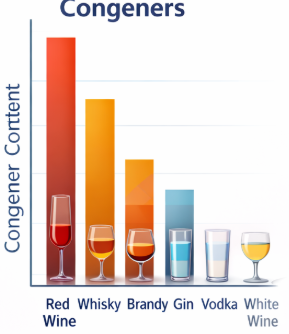
Alcoholic beverages contain more than just ethanol and water. They also include fermentation byproducts known as congeners. In general, the more congeners a drink contains, the worse the hangover.
Congeners are especially abundant in red wine, whisky, brandy, and tequila. Clear spirits such as vodka and gin, as well as white wine, contain fewer congeners and tend to produce milder hangovers.
What to Do If You Already Have a Hangover
If prevention fails, the priority is damage control:
Rehydrate as soon as possible
Avoid black coffee, which can worsen dehydration
Replace electrolytes with foods like bananas or broth
Eat eggs, which contain cysteine—an amino acid that helps the body produce glutathione and break down remaining acetaldehyde

If you’re looking for an ultimate, foolproof guide to avoiding hangovers, one option truly works: don’t drink alcohol.
Whether that’s realistic is up to you. If not, moderation, preparation, and recovery strategies can at least make the experience less painful.

Comments