

High-Protein Diets: What They Really Do and Who They’re For

Most of us already know protein is essential, but we often forget just how constantly the body uses it. Your muscles are always going through cycles of breakdown and repair, and protein provides the amino acids needed to keep that process running. This is exactly why so many people chasing muscle growth load up on protein—especially after resistance training, when the body is primed for repair.
But protein isn’t just for gym lovers. Plenty of people increase their protein intake for weight loss, better recovery, or simply to support a physically demanding lifestyle. The key point: a high-protein diet works best when your body actually needs the extra fuel.
Take someone like Matt—a heavy weightlifter with six intense training sessions a week. His body demands more protein to recover, rebuild, and keep him performing. Without that extra protein, his muscles wouldn’t fully repair between sessions.
On the other end of the spectrum, older adults can benefit too. As we age, muscle naturally weakens, especially when activity levels drop. Spreading extra protein evenly across meals has been shown to help older people maintain muscle and mobility. Imagine Elizabeth, 75, who only manages light walking a few times a week—small boosts of protein through snacks or shakes could help slow down further muscle loss.

But How Much Protein Is “High”?
For most people, the ideal intake sits around 1.4–2 g per kg of body weight, depending on activity level and age. Anything significantly above 2 g/kg, unless supervised by a professional, can start drifting into “too much.”
And that’s where potential issues appear.People often focus so heavily on protein that they accidentally cut carbs too low or throw their diet out of balance. While high-protein diets have many benefits, it’s important to keep balance in mind. Current research shows that healthy people can generally handle a higher protein intake without harming their kidneys, as long as the amounts stay within a sensible range. However, very high intakes — especially from mainly animal sources — may place extra stress on the kidneys over time, particularly in people who already have reduced kidney function or are at higher risk. This doesn’t mean protein damages healthy kidneys, but it does highlight the importance of not overdoing it and keeping the rest of your diet balanced with carbs, fats, and plenty of hydration.
Animal vs. Plant Protein: Does It Matter?
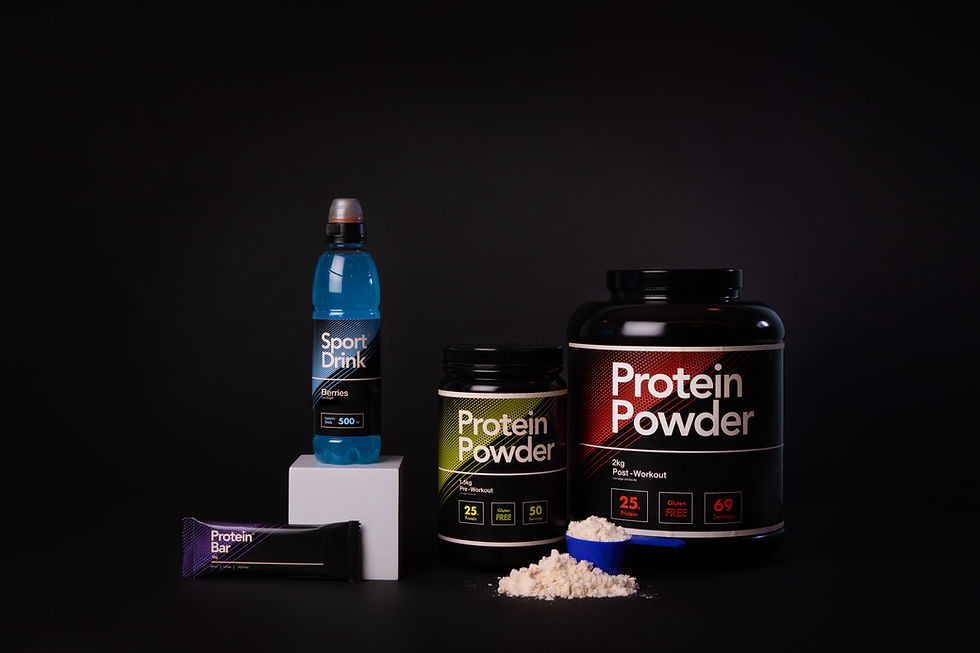
With the rise of veganism, many now understand that protein doesn’t need to come from meat. However, plant proteins often lack certain essential amino acids, meaning you need more variety to cover your bases.
Animal proteins, especially red meat, come with their own concerns—such as higher fat levels and increased disease risk when eaten excessively. Plant protein is generally lighter on the body but can be less efficient to absorb. Neither option is perfect; balance is key.
My Thoughts
Personally, I think high-protein diets can be great — but only when they’re done intentionally. Too many people jump into “high protein” because it sounds healthy or trendy without asking whether their body actually needs it. Protein is a tool, not a magic fix. For muscle building, active lifestyles, or healthy aging, it makes a real difference. But without the training load or the energy demand, excess protein becomes unnecessary stress on the body.
For me, the sweet spot is keeping meals balanced, spreading protein across the day, and choosing sources that match the goal — leaner proteins on heavy training days, and more plant-based options on lighter or rest days. More isn’t always better; smart is better.

For those who rely on protein constantly, my approach is a little different. I prefer using supplements in cycles, giving my body breaks so it can reset, recover, and maintain healthy natural absorption.
(,,rotating between whole food and supplements does reduce digestive burden and helps ensure a more varied nutrient intake, which supports gut health indirectly'') This rhythm also supports better gut health, because the digestive system isn’t being overloaded every single day. In my own physiology, moderation is the key — not just for building muscle, but for overall health.
A well-balanced diet fuels performance, supports immunity, protects bone health, and improves gut function. Mixing different protein sources throughout the week — from whole foods first, with supplements used as pre- or post-workout additions — helps support muscle protein synthesis without depending on powder 24/7. Supplements should never replace real meals. We have to choose what matters more: long-term health, or convenience. A quick shake might save 20 minutes, but skipping real food consistently will always have a negative impact over time.


Comments